


These are also the sayings of the Wise…

Thru the Bible: Proverbs 24

This proverb contains a statement which I have never personally heard used in its given context. It says, “…the righteous falls seven times and rises again, but the wicked stumble in times of calamity.”

The context is not regarding sin at all which is how it is typically used. No, the saying is less about the righteous and more TO the wicked. it is a warning to them to not attempt to come against the righteous, but to consider them. IF the righteous fall or find themselves as prey to the wicked, they will never fail to rise again. But if the wicked fall, it will be to their destruction. So the wicked are being advised to consider the end of the righteous man and amend their ways.

Then the next two verses are to the righteous, warning THEM not to take delight in the destruction of the wicked. If we do God may very well turn from judging them and bless them instead, and turn His anger towards you in chastisement.

While the typical use of this verse is a truism – it is true that if a righteous person falls into sin, even seven times – each time they will repent, get up and continue on in their race. Nevertheless, this warning to the wicked and the righteous is even more instructional and shows God’s concern for both.

He IS good!

Continue reading→
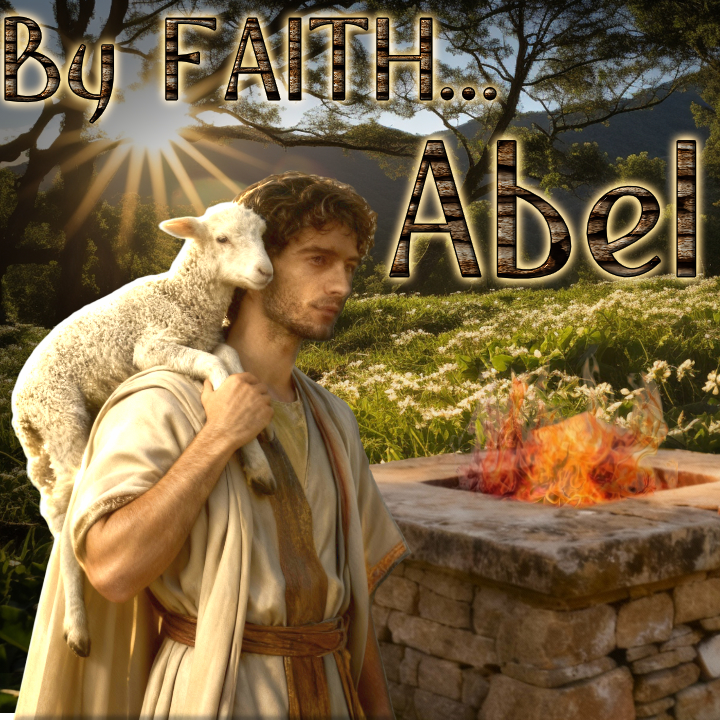
By FAITH… Abel

This week in our series ‘From faith to faith’ we took a look at the first human example of faith offered in what is commonly called the Bible’s “Hall of Faith” in Hebrews 11. This was Abel, whose act of faith seems so simple that if you go to Genesis 4, from which the writer of Hebrews obtained all the Bible says regarding the event, you’d find no mention of faith at all. Ironically, that is precisely what made this example perfect for our first example.

The topic of faith has been shrouded in some silly form of mystery for more years than I can recall. In fact, much of the teaching I have received about it, didn’t help much. For every point it clarified, it seemed to obscure another.

So looking at Abel’s simple example of faith serves many purposes, the primary among them being that faith is not difficult. Its not hard to come by and it is inherently relational.

I’m certain that this lesson will promote clarity on this very important topic and steer your heart towards intimacy and relational trust in the God of Creation and Salvation.

Continue reading→

If you linger, it bites back!

There is much in this chapter about wealth, the pursuit of it, the rich and the political elite as well as the dangers of yielding to the appetites of the flesh.

These are the recurring themes, while other singular wise saying are peppered throughout, these appear to have been primary on Solomon’s mind.

This chapter ends with a warning about lingering long over alcohol. It is not a prohibition against it, anymore than gluttony is a demonizing of food. It is both the abuse of alcohol and its underpinning drive which is ALWAYS an attempt to find answers outside of intimacy with God. This is why the scriptures encourage believers to “not be drunk with wine, but by filled with the Holy Spirit”.

Contrary to how this sounds, the idea of ‘filled’ means controlled by. If we would put to death the deeds of the body by the power and influence of the Holy Spirit we would LIVE!

Continue reading→
Oil Lamps, wedding feast

Empty Oil Lamps & a Wedding Feast

Part of rising with Jesus is a life lived unot Him. Where we are living witnesses – saltto make people thirsty and Light that leads them to Him.

In the Parable of the 10 Virgins, the lesson was regarding getting and remaining ready for the return of Christ. This is accomplished most naturally by loving devotion to Him which swells into a deep desire to be with Him where He is. It aids our souls in maintaining the excited anticipation of His return which could take place at any moment.

Continue reading→